

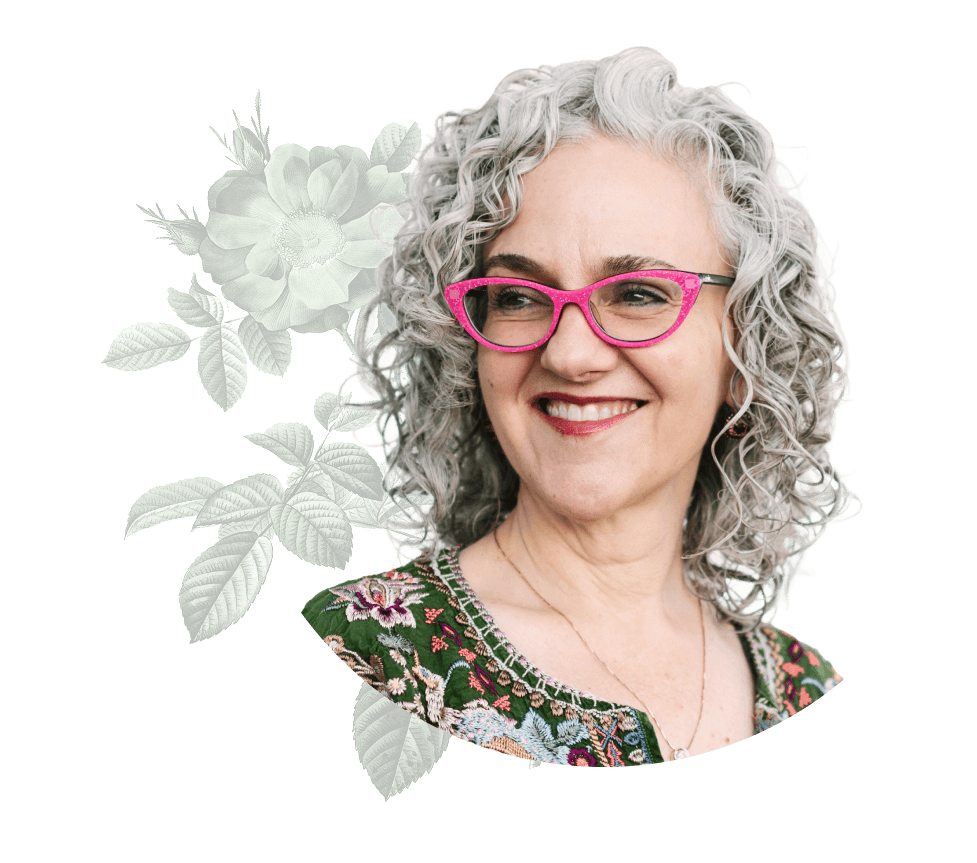
About Lisa
Lisa is a certified Jungian analyst, podcaster, and award-winning author. She has an undergraduate degree from Brown University, where she majored in medieval European history. She went on to earn a master’s in international affairs from Columbia University and a master’s in social work from New York University. She has been a practicing psychotherapist since 1998. She completed her analytic training at the Interregional Society of Jungian Analysts in 2011 and is currently studying for her doctorate in psychoanalysis at the Boston Graduate School of Psychoanalysis.
Learn with Lisa
In 2018, Lisa started This Jungian Life with two other Jungian analysts. This Jungian Life has become one of the most popular depth psychology podcasts with a loyal following and over 30 million downloads. In 2020, This Jungian Life started Dream School, an online program that teaches people how to work with their dreams. In response to the depth of connection and impact that group work with fairy tales had at her retreats, Lisa launched her online fairy tale community for women, Spinning Straw, in late 2023 and is expanding her fairy tale programs in 2027 to offer more in depth study of the themes that emerge across these timeless stories.
Writing
Lisa’s first book Motherhood: Facing and Finding Yourself was published in 2021. It has sold over 20,000 copies and has been translated into nine languages. Her second book The Vital Spark: Reclaim Your Outlaw Energies and Find Your Feminine Fire was published in 2024. To date, it has been translated into four languages and sold over 16,000 copies. Lisa co-authored the book Dream Wise: Unlocking the Meaning of Your Dreams along with her This Jungian Life cohosts. Researcher and writer Kelly Bulkely called Dream Wise “one of the best overall books I've ever read on the practice of dream interpretation.”
In addition to her books, Lisa’s writings have appeared in peer-reviewed journals, including the Journal of Analytical Psychology and Psychological Perspectives. She has also been published in Quillette and blogs regularly for Psychology Today. She is a popular speaker and has given workshops, keynote speeches, and presentations both in the US and abroad. She is on the faculty of the CG Jung Institute of Philadelphia, where she teaches and supervises training candidates.
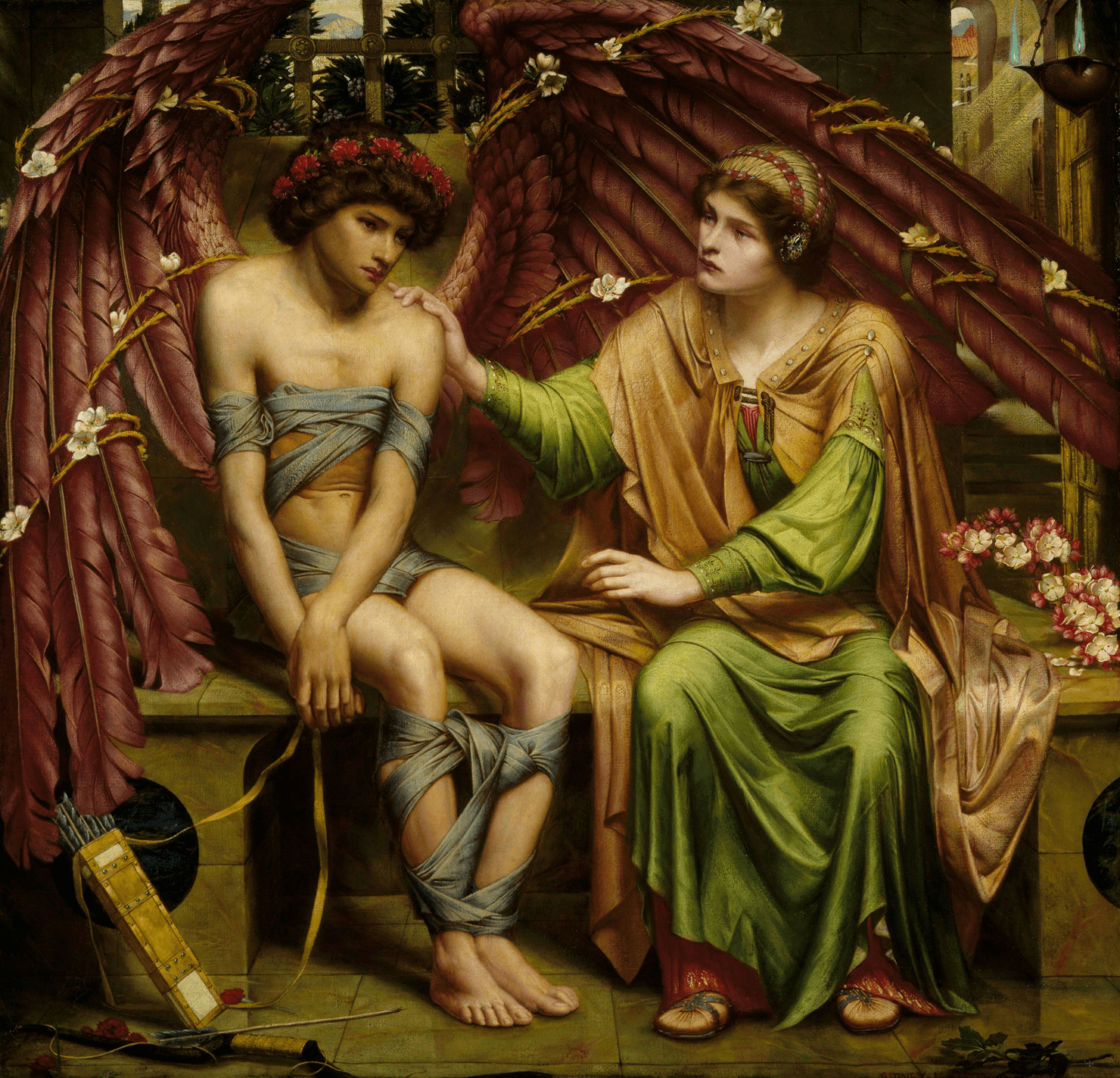
Hope Comforting Love in Bondage, Sidney Harold Meteyard 1901

My Journey
Jung’s ideas were in the atmosphere in my home. My mother loved Jung. She used to read my sister and me Greek mythology, and I remember coming home from school as a young child and finding her in her study reading those thick black books that I later knew to be volumes of Jung’s Collected Works. I inherited those from her, and they sit on my bookshelf to this day with her copious notes in the margin.
I didn’t learn about Jung from my mother in a direct way, although I do recall being very impressed by a story she told of the bell outside of Jung’s front door ringing emphatically completely autonomously. Much like Jung, I was fascinated by the paranormal as a child and experienced my share of odd occurrences. My mother taught me to approach these with respect and curiosity and to value my dreams. It wasn’t until I was in my late twenties, however, that I independently came to Jung’s ideas in a formal way.
From the time I was little, I loved myths and fairy tales. When I was a college student, I used to read fairy tales at night before going to sleep as a way of helping me disconnect from daily concerns and find my way into a restful state. However, it wasn’t until I was exposed to Jungian interpretations of fairy tales that I understood just how valuable they can be from a psychological standpoint. Since that time, fairy tales have been a source of inspiration and guidance for me in my personal life and clinical work.
Likewise, my early journals are full of entries about my dreams, and I even tried to interpret them. (And didn’t do such a bad job!) As with fairy tales, my exposure to Jungian methods of dream interpretation deepened my understanding of and appreciation for the incredible wisdom of dreams. Dreams and fairy tales have been my passion ever since.
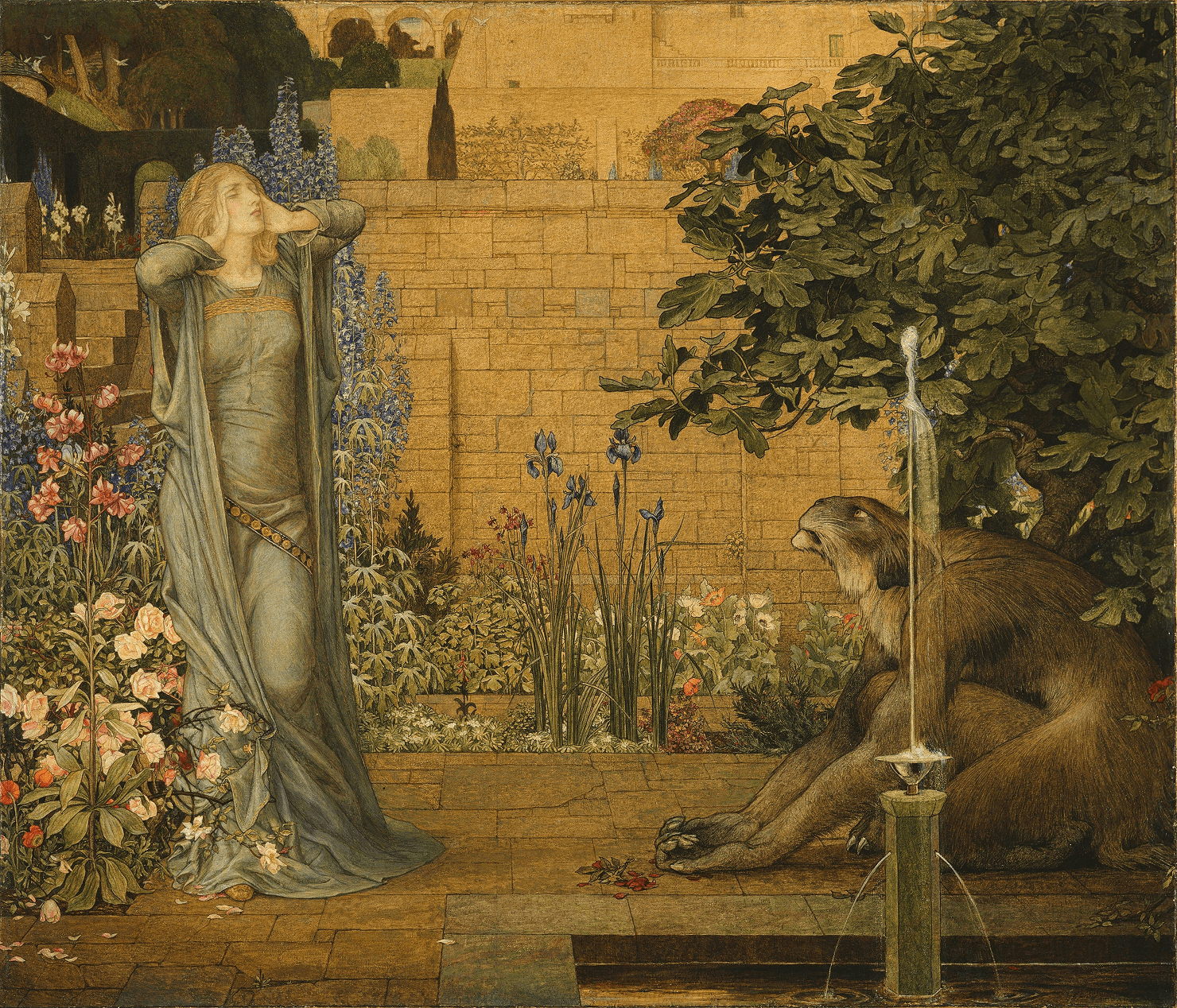
Beauty and the Beast, Joseph Edward Southall 1904
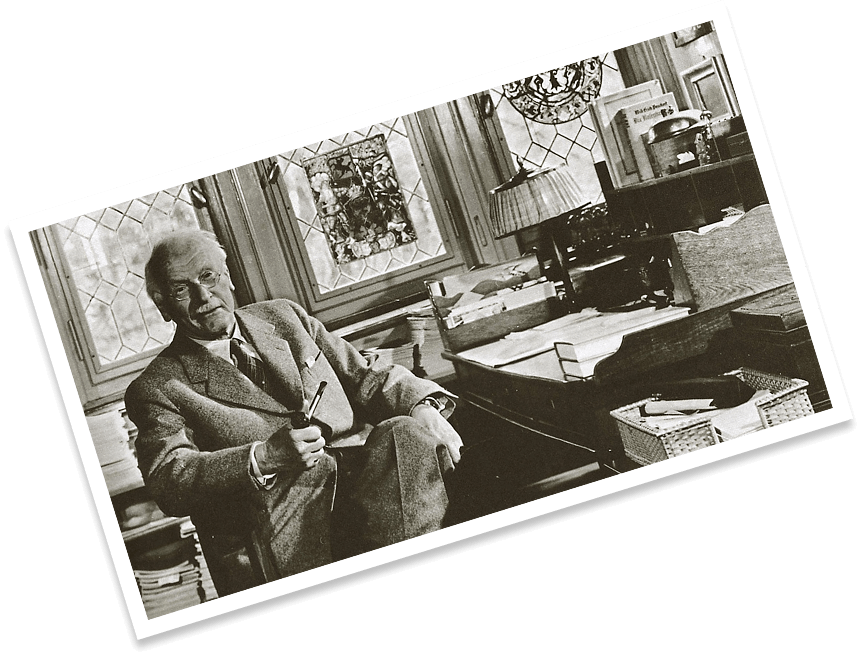
Because Jung’s ideas have been so impactful, I want to make them more widely available. My podcast This Jungian Life, my substack Café Jung, my Psychology Today blog The Archetypal Angle, my women’s fairy tale group Spinning Straw, my retreats, and other projects allow me to do this. In addition, books have always been a source of wisdom and guidance, and I feel called to write books that can pass along what I have learned from others.
For fun, I enjoy reading novels, baking sourdough, and trying to improve my Italian.
NOTE ABOUT THE USE OF ARTIFICIAL INTELLIGENCE
After learning about the role of AI in cognitive atrophy and the homogenization of human output, I have made a commitment to myself and my readers not to use AI in any step of the writing process other than perhaps final proofreading. This applies to my books, my substack, my Psychology Today blog, and any and all other writing. If my name is on it, I wrote it.